
Moving a Car Interstate: Depot or Door-to-Door, and the Insurance Gap
 Fiona Delaney
The boxes are packed and labelled, the kids’ rooms are bare, and the new place is a few states away. Then there’s the car, sitting in the driveway as if it isn’t part of the plan. You might be driving the family’s main car and need someone to move the second one, or you might have bought a car from a seller on the other side of the country. Either way, you’ve got a quote in your inbox with three or four options on it, at different prices, and words like “depot”, “door-to-door” and “enclosed” that nobody has explained. If the whole house is moving, the removalist listings are the place for the furniture. This guide is just about the car: what each option actually includes, the bit of paperwork at pickup that protects you most, and the gap between what the carrier covers and what your own insurance does.
Depot or door-to-door
This is usually the first choice on the quote, and it’s mostly about who does the driving at each end.
Depot to depot means you drop the car at the carrier’s depot in your city and collect it from their depot at the other end. You’re working around the depot’s opening hours, and you need a way to get there and back at both ends, which is easy to forget when you’re also catching a flight.
Door-to-door means the carrier picks the car up from your address and delivers it to the new one. It sounds like the easy option, and often it is, but it’s worth knowing what “door” means in practice. Car carriers are big trucks. If you live on a narrow street, up a steep driveway, or somewhere with tight turns and low trees, the truck may not be able to get to your actual door, and the driver may ask to meet you at the end of the street or a nearby car park. Ask about that when you book, so it’s not a surprise on the day.
Either way, someone has to meet the driver at both ends, hand over the keys and sign the paperwork. If you’ll be on a plane when the car is collected, or still on the road when it arrives, work out now who that person will be. A friend or family member can usually do it, but they need to know what to check (more on that below).
And if the car doesn’t run at all, perhaps it’s the project car or one that’s been sitting for a year, mention it when you ask for quotes. A car that can’t be driven onto the truck needs different handling, and you may need a tow to get it to the depot. The directory’s towing listings can help with that part of the trip.
Driving it there yourself is also an option, of course, and some people prefer it. But if you’re reading this, you’ve probably decided the car is going on a truck.
Open or enclosed
The second choice on most quotes is how the car travels.
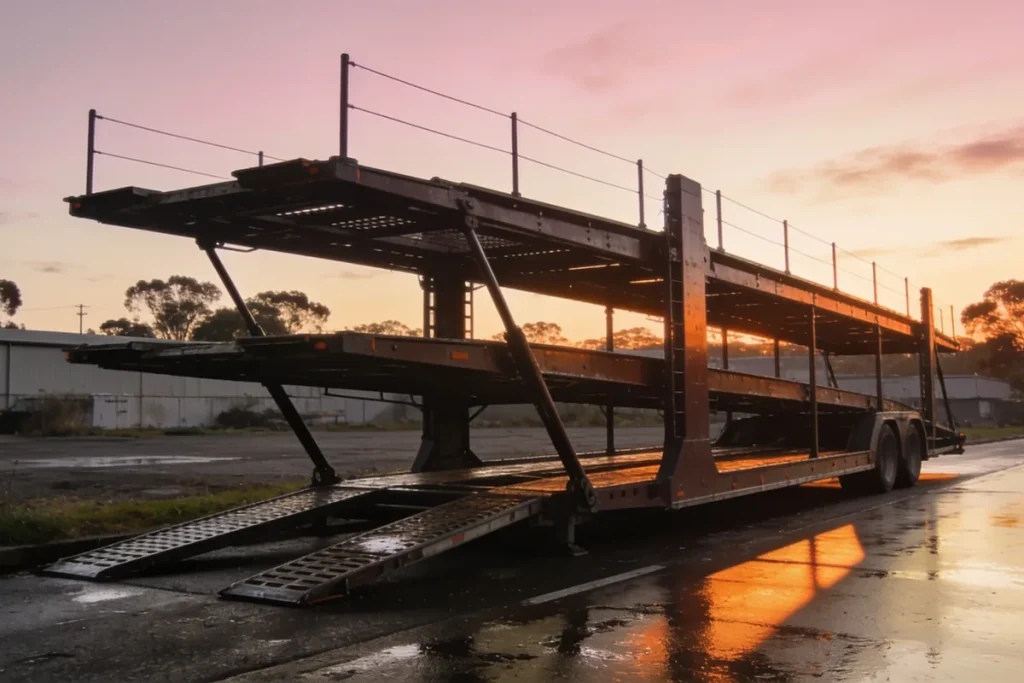
Open carriers are the norm. They’re the double-decker trucks you’ve seen on the highway with cars on both levels, open to the air. Most everyday cars travel this way, and they’re exposed to the same weather and road grime as if they were being driven.
Enclosed transport puts the car inside a covered trailer. It’s usually chosen for classic cars, very low cars that don’t suit the ramps on an open carrier, and high-value cars where the owner wants them protected from the weather and road debris. If your car is any of those, ask about it. If it’s the family hatchback, open transport is what most people use.
The pickup window and the waiting
One thing that catches people out is that car transport quotes rarely give you a pickup date. They give you a window: a range of days during which the carrier expects to collect the car. That’s because the trucks are juggling lots of pickups and drop-offs along a route, and timing moves around.
So when you book, ask two things. First, how will you be told when the driver is actually coming: a phone call the day before, a text that morning, an email? Second, if you’re using a depot, what happens if you’re late to collect the car at the other end? Ask how long they’ll hold it and whether storage is charged after that. It’s much easier to know that before you book your own travel than to find out when you land.
It also helps to plan for the car to be away for a little longer than you hope. If you need a car the moment you arrive, think about how you’ll manage for the first few days.
The condition report
If you only take one thing from this guide, make it this. When the driver arrives to collect the car, they’ll usually do a walk-around and fill in a condition report: a form that records the state of the car at pickup. That piece of paper is what everyone will look at if the car arrives with a new dent, so it’s worth taking your time over it.
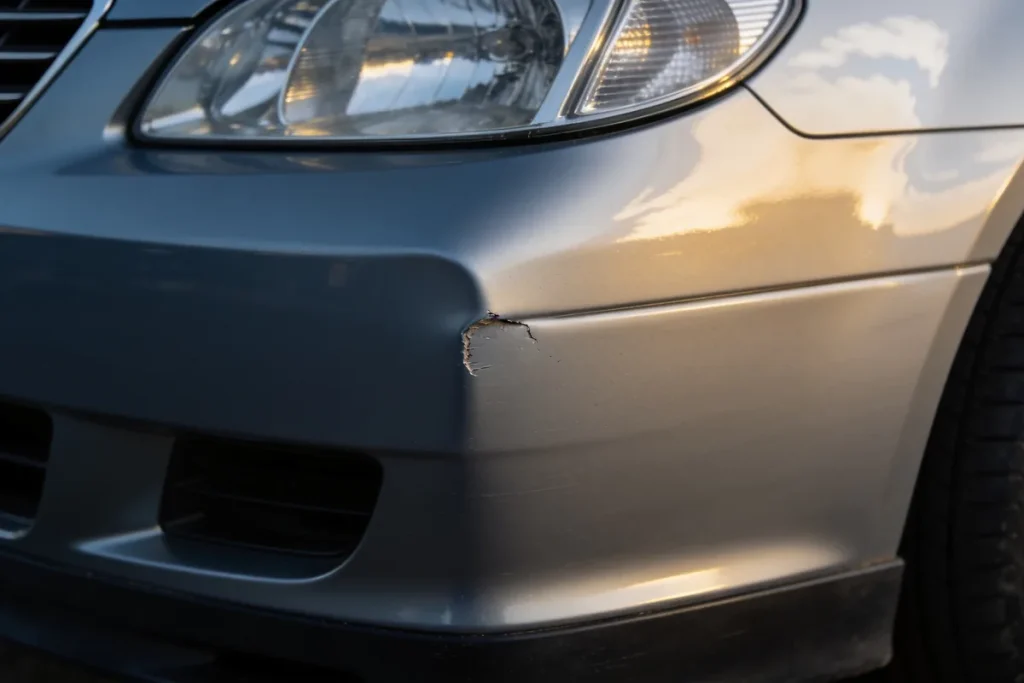
Walk around the car with the driver, not after they’ve gone. Take your own dated photos of every panel, the wheels, the glass, the roof if you can, and the odometer. Take more than you think you need; photos are free. If there’s existing damage, a chip in the windscreen, a scuff on a bumper, a scrape on a wheel, make sure it’s noted on the form before you sign it. It feels a bit awkward pointing out your own car’s flaws, but it protects you. If the scuff is already on the report, nobody can argue later about whether it happened in transit, and if a new one appears, you’ll be able to show it wasn’t there before.
Before pickup, take your valuables and any loose items out of the car. Sunglasses, phone chargers, the kids’ bits and pieces under the seats: take them out. Think about your e-tag too, and take it out or check with your toll provider, so it doesn’t pick up charges or go missing along the way.
And check the car starts the day before. A car that won’t start on pickup day can throw the whole booking out. If it’s been playing up, the site’s guide to whether to call an auto electrician or a mechanic is a good place to start working out who can help.
Then do the same check at delivery. Walk around the car with the driver before you sign for it, compare it with your photos and the pickup report, and note anything new on the delivery paperwork. Once you’ve signed to say it arrived in good condition, it’s much harder to raise a problem later.
Who pays if it is damaged
This is the part most people only think about when something goes wrong, so it’s worth a few minutes now.
Your rights as a consumer. When you buy a service, the Australian Consumer Law gives you guarantees, including that the service will be provided with due care and skill. Transport services have some special rules, and a carrier’s terms may include clauses that try to limit what it will pay. HWL Ebsworth Lawyers, in an article on what the consumer guarantees mean for transport providers, explains their reading of how this works. As they read it, the transport exception in section 63 of the ACL doesn’t apply where the person receiving the goods is a consumer, and under section 64A, a business may not be able to limit its liability to resupplying the service where the service is for personal use. So if you’re moving your own car for personal reasons, a clause in the carrier’s terms limiting what they’ll pay may not be effective. That’s a law firm’s reading, not legal advice, and how it applies to your situation would depend on the details, but it’s useful to know it’s there.
The carrier’s terms and insurance. Read the carrier’s terms and conditions before you book, especially the part about damage and claims. Ask what transit insurance the carrier holds, what it covers, and how you’d make a claim. Ask whether there’s an excess and who pays it.
Your own car insurance. This is where the gap often sits. Your own policy may or may not cover the car while it’s on a truck. Some do, some don’t, and some have conditions. Ring your insurer and ask, and ask them to confirm the answer in writing. An email is fine. It’s a five-minute call that can save a very stressful conversation later.
Your evidence. If something does go wrong, keep everything: the pickup condition report, the delivery paperwork, your photos and any messages with the carrier. A claim rests on being able to show what the car looked like when it left and what it looked like when it arrived.
When the car arrives in a new state
Getting the car there is one job. Getting it registered in the new state is another, and it’s easy to forget in the middle of a move.
Using New South Wales as an example, Service NSW explains what you’ll need to transfer or register an interstate vehicle: the application form, proof of identity, a blue slip (a safety inspection report) issued no more than 42 days before, the original number plates from the other state, and CTP insurance. That 42-day limit is worth noting, because it means the inspection has to be done fairly close to when you register.
Every state has its own process, so if you’re moving somewhere other than NSW, check with that state’s transport agency for what they need and how long you have.
Photos First, Signature Second
Moving a car interstate is mostly about a few careful minutes at each end. Choose depot or door-to-door based on who can meet the driver and whether a truck can reach your street. Ask how you’ll be told when the pickup window narrows to a day. At pickup, walk around the car with the driver, take your own photos and get existing damage on the report before you sign. Ask the carrier about its insurance, and ask your own insurer, in writing, whether you’re covered in transit. And when it arrives, do the same walk-around before you sign again. Your car will be waiting at the other end, and you’ll have the paperwork to prove the state it arrived in.
Sources: HWL Ebsworth Lawyers, What the consumer guarantees mean for transport providers (https://hwlebsworth.com.au/offloading-the-acl-article-2-what-the-consumer-guarantees-mean-for-transport-providers/); Service NSW, Transfer or register an interstate vehicle (https://www.service.nsw.gov.au/transaction/transfer-or-register-interstate-vehicle)